Going Home From Hospital With NDIS Support: What Happens and How We Help
When someone with NDIS funding is going home from hospital, the support at home should be arranged while they’re still on the ward. At Yours Truly Support Services, planning early is always better, but we can also work with urgent last-minute hospital discharge. The earlier we hear, the more time we have to meet the person, match support workers who live near them and have support ready on the day they leave hospital.
We work across Melbourne’s west and north, from our office in Sunshine North. Hospitals in our area include Footscray Hospital, Sunshine Hospital, Werribee Mercy Hospital, the Royal Melbourne Hospital and the Northern Hospital in Epping.

How a referral to us works
The ward social worker or discharge planner sends us the referral. Hospital teams have their own urgent line, which our director answers on weekdays from 9am to 5pm, and a referral form on our Rapid Hospital Discharge Program page. When a referral reaches us before 4pm on a business day, we call the referrer back the same day. A referral sent later, or on a weekend, gets a call back the next business day.
If you’re a family member, please call our main number, 1300 009 010. We’ll talk it through with you and explain what the social worker needs to send us.
Next, we meet the person and their family on the ward. We match support workers by shared interests and communication style as well as skills, because a good match makes the first weeks at home easier. We also keep the same small team of support workers with each person, so your loved one isn’t meeting a new face every shift. Our support workers live in the area, so someone leaving Footscray Hospital for St Albans, or the Northern Hospital for Craigieburn, goes home to a support worker who knows their suburb.
We sign the service agreement before discharge, so the first shift doesn’t wait on paperwork. On discharge day, our support workers bring the person home. After the first week, we check in with the hospital team and the family to talk about how the person is going.
Arian Mehmeti, our Director, came to disability support after years working in youth and family intervention. “I’d rather a family meets us on the ward than meets a stranger at the front door on the first night home,” he says. “Families have enough to deal with when someone comes out of hospital.”
The NDIS side of a hospital stay
The hospital team makes the discharge plan and involves the person’s support coordinator, if they have one. With the person’s consent, hospital staff let the NDIS know the person is in hospital, and the NDIS says it will contact the person or their nominee within 4 days if their plan may need to change. An NDIS health liaison officer, the NDIS staff member who works with hospitals, then helps update the plan. The NDIS explains the steps in its Guide to your hospital stay. We keep the family, the support coordinator and the health liaison officer updated at every step.
You don’t need to wait for the updated plan before asking the social worker for a referral. If the person’s current plan already funds the support they need at home, we can plan to start on discharge day. If it doesn’t, we plan with the hospital team while the plan is updated, and we’ll tell you straight away if the timing might leave a gap.
If we already support the person, tell us about the hospital stay early. NDIS funding usually can’t pay a person’s regular support workers while they’re in hospital, because hospital staff provide that care, so their shifts usually stop during the stay. Telling us early lets us plan the return home around the same support workers, where we can.
What the first weeks at home can look like
Here’s an example. Picture someone in their fifties going home to Deer Park after a few weeks of rehabilitation at the Royal Melbourne Hospital’s Royal Park campus. They live alone with their dog. They can walk short distances but need help in the shower, they can’t drive for now, and they have a follow-up appointment each week.
Their support might start with a support worker each morning for personal care and breakfast. Through our Household Management service, we could take care of meal planning, the grocery shopping and feeding the dog, with regular cleaning through our partnership with Freddy The Cleaner. A support worker could drive them to their appointments. If their plan includes it, a support worker could stay overnight for the first nights at home.
Later, once their doctor or physio says it’s safe, a support worker could go with them to boxing sessions adapted for people with disability, in the gym downstairs from our Sunshine North office. Joel “Cama KO” Camilleri, a former Australian super welterweight champion, runs those sessions. A support worker could also help them practise catching the train again.
When going back home isn’t possible
Sometimes the person, their family and the hospital team decide the person can’t safely go back to where they were living, or their home needs changes before they can move back in. Tell us early if that looks likely, because a new home takes time to arrange.
We offer MTA (medium term accommodation) for the time in between. We find the accommodation ourselves, anywhere across the areas we serve, and choose a place that suits the person’s needs. The NDIS describes MTA as funding to live somewhere for up to 90 days. For someone leaving hospital, MTA can be added to their plan if they’re eligible for SDA, SIL, individualised living options or home modifications, even before their long-term home is confirmed. MTA only covers the accommodation, so we also provide the daily support the person needs during the stay. For a shorter stay, we provide STA (short term accommodation), which the NDIS usually funds for up to 14 days at a time.
SDA (specialist disability accommodation) is housing built for people with very high support needs, and it needs its own NDIS funding approval. The health liaison officer and the support coordinator can help with that. Through our SDA partners, we can look for an SDA home in Melbourne’s west and north, and as a registered SIL (supported independent living) provider, we can provide the daily support in that home. Our SIL vacancies page lists the homes our SDA partners have available.
What you can do while the person is in hospital
- Tell the ward staff the person is an NDIS participant. You can also call the NDIS on 1800 800 110 to tell them the person is in hospital.
- Ask for the expected discharge date as early as you can, even if it might change.
- Tell the social worker who the person’s support coordinator is, if they have one.
- Ask the social worker to refer the person to us through our Rapid Hospital Discharge Program page.
Hear From the Families We Support
Watch short videos and read notes from participants and families about everyday life with Yours Truly support.
If someone you love will be going home from hospital to Melbourne’s west or north, call us to talk it through. Our office is at Level 2, 110 Cromer Avenue, Sunshine North, upstairs from Cama KO Boxing and Fitness.
Yours Truly Support Services. Local. Consistent. Caring. Ready when you are. Call us on 1300 009 010.
The information and advice in this post were correct when we published it in November 2026. Things change, so for the latest, call us on 1300 009 010 or fill out our contact form.
More from the blog
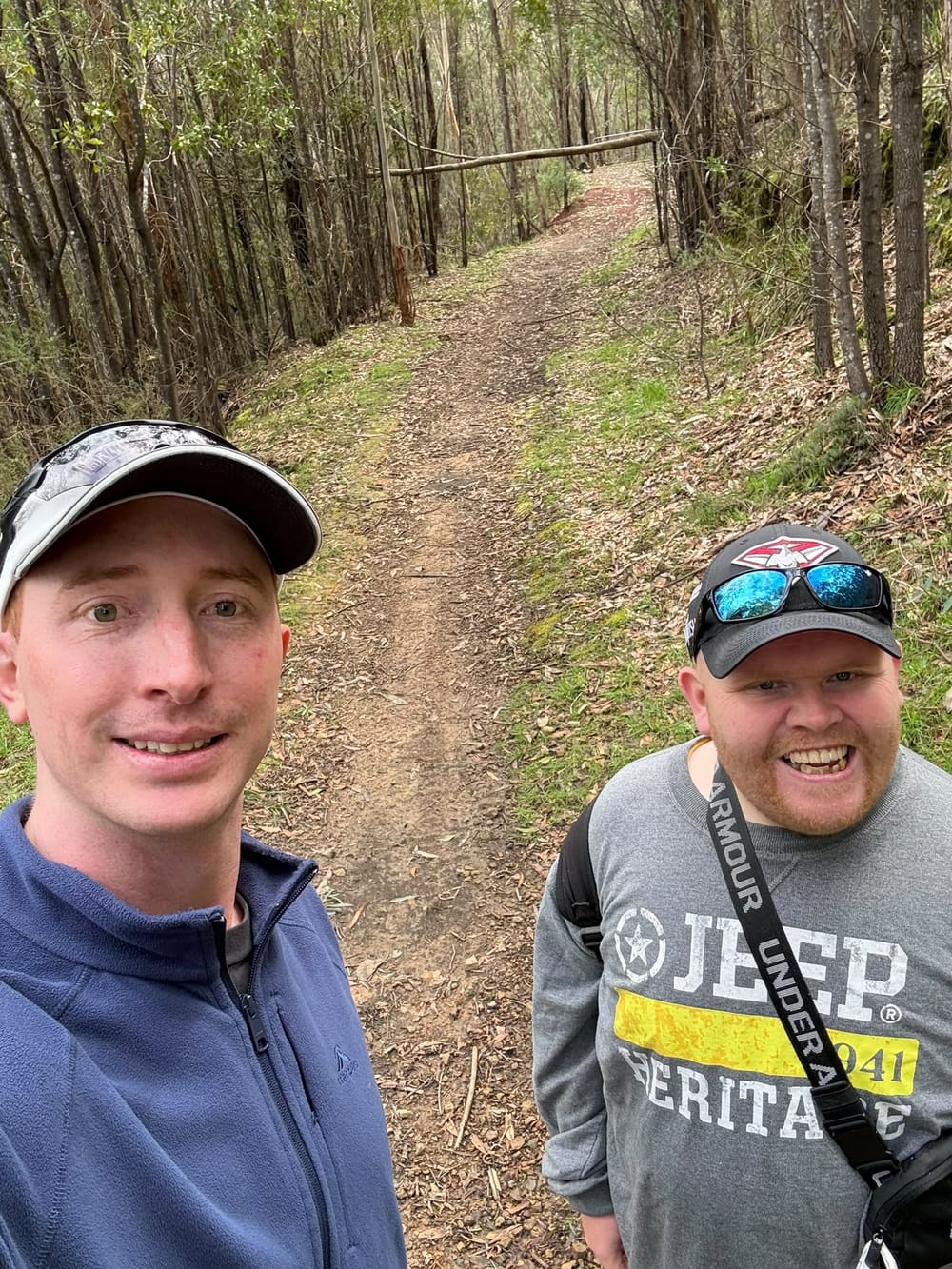
NDIS Short Term Accommodation (STA): What Melbourne Families Need to Know
How NDIS Short Term Accommodation (STA) works, and how Yours Truly plans respite stays across Melbourne’s west and north so carers get a real break.
Read More about NDIS Short Term Accommodation (STA): What Melbourne Families Need to Know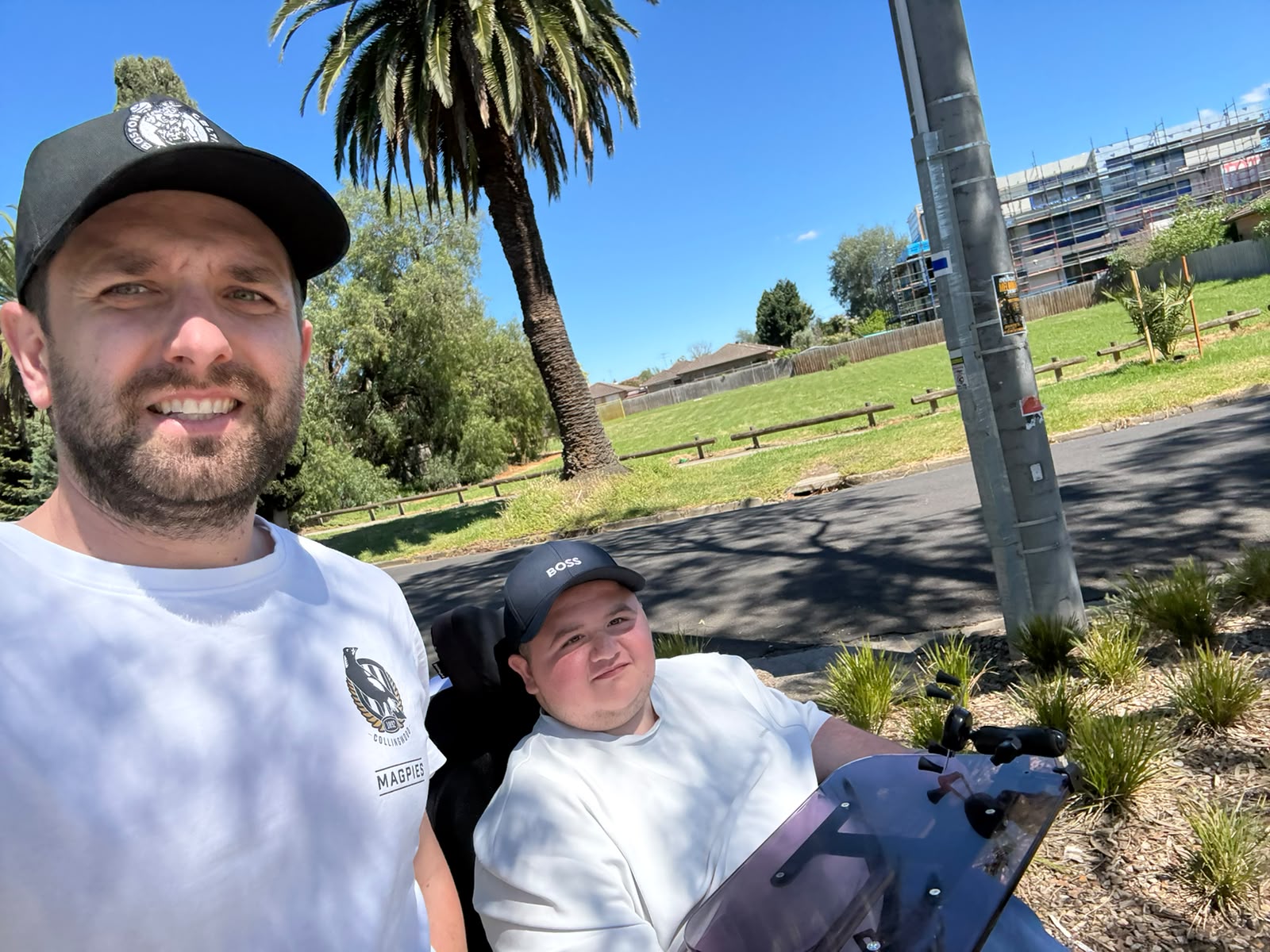
Choosing an NDIS Provider in Melbourne: Questions to Ask Before You Sign
Choosing an NDIS provider in Melbourne? Ask these questions before you sign, from registration and rostering to pricing, plus what we’ve learnt at Yours Truly.
Read More about Choosing an NDIS Provider in Melbourne: Questions to Ask Before You Sign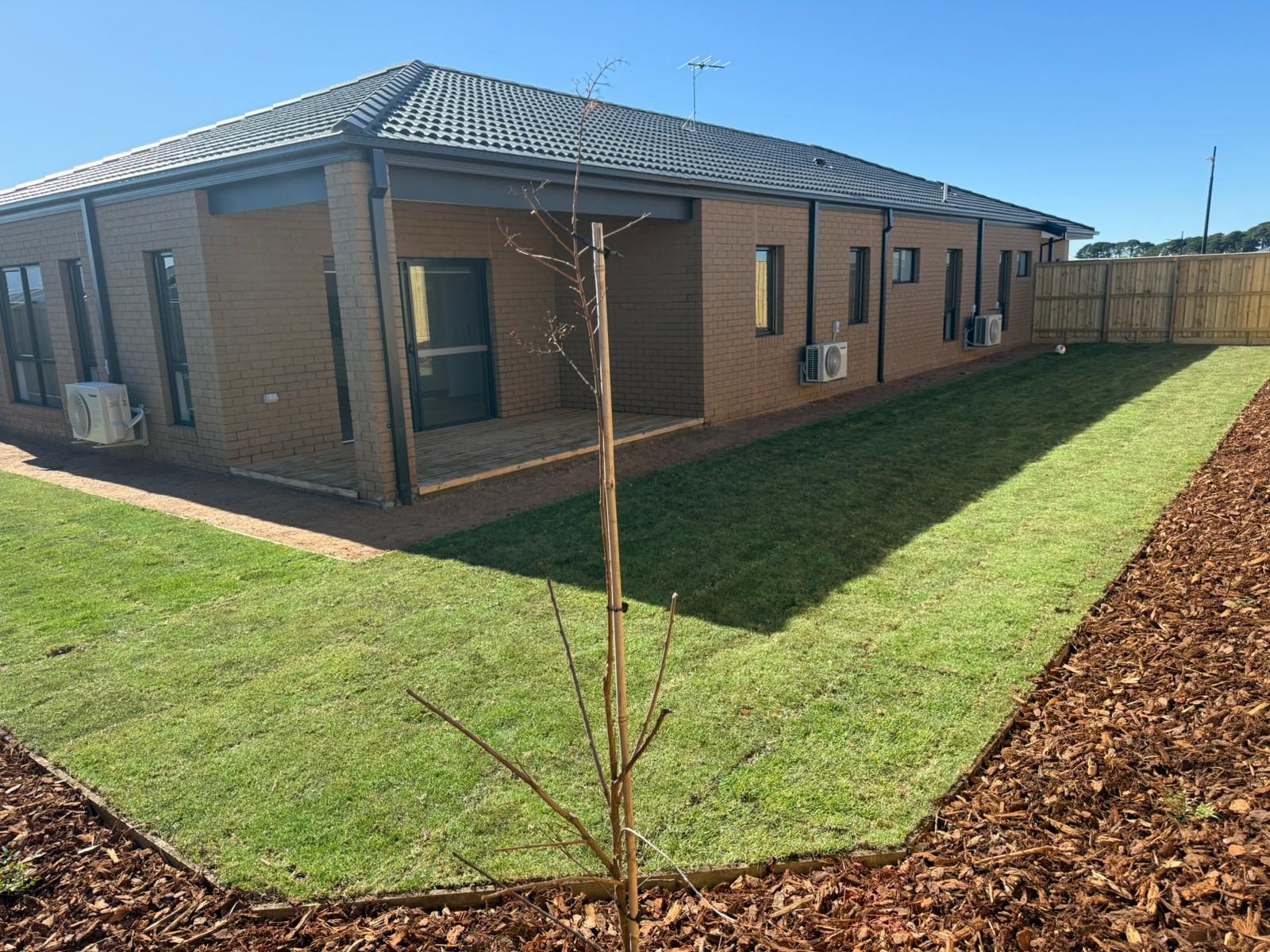
What is SIL and Is It Right for Your Family? A Guide for Melbourne’s Western Suburbs
SIL, SDA, group homes, aged care: the terminology around supported living gets confusing fast. Here’s what SIL actually means, how it differs from SDA, and what day-to-day life looks like with YTSS.
Read More about What is SIL and Is It Right for Your Family? A Guide for Melbourne’s Western Suburbs
Let's Explore Your Options Together
We'd love to chat. Get in touch by phone, email or through our contact form. Our friendly Support Advisors can make a plan with you, based on your own goals and abilities.
Refer a participant