Choosing an NDIS Provider in Melbourne: Questions to Ask Before You Sign
The best time to find out how a provider really works is before you sign anything. Once supports start, changing course takes time and energy, and nobody wants a gap in their support while they sort it out.
Melbourne has no shortage of NDIS providers, from large national organisations to small local teams like ours in Sunshine North. Most will tell you they’re caring and flexible. What matters is what that looks like on an ordinary morning when supports are being delivered.
Start with registration and how your plan is managed
How your funding is managed decides which providers you can use. If your plan is NDIA-managed, every provider you use must be registered with the NDIS. If your plan is self-managed or plan-managed, you can choose registered or unregistered providers.
Some supports now need a registered provider no matter how your plan is managed. From 1 July 2026, providers of Supported Independent Living (SIL) generally need to be registered with the NDIS Quality and Safeguards Commission.
You can check any provider on the NDIS Commission’s Find a registered provider search. Ask what they’re registered for as well, because registration covers particular types of support rather than everything a provider might advertise.
The Commission also keeps a public search of compliance and enforcement actions, including banning orders and compliance notices against providers and workers. It’s worth searching a provider’s name there too before you sign.
We’re a registered NDIS provider (registration number 4050159259). We work with people whose plans are self-managed, plan-managed or NDIA-managed, and with people paying for support privately.

Ask who will actually turn up
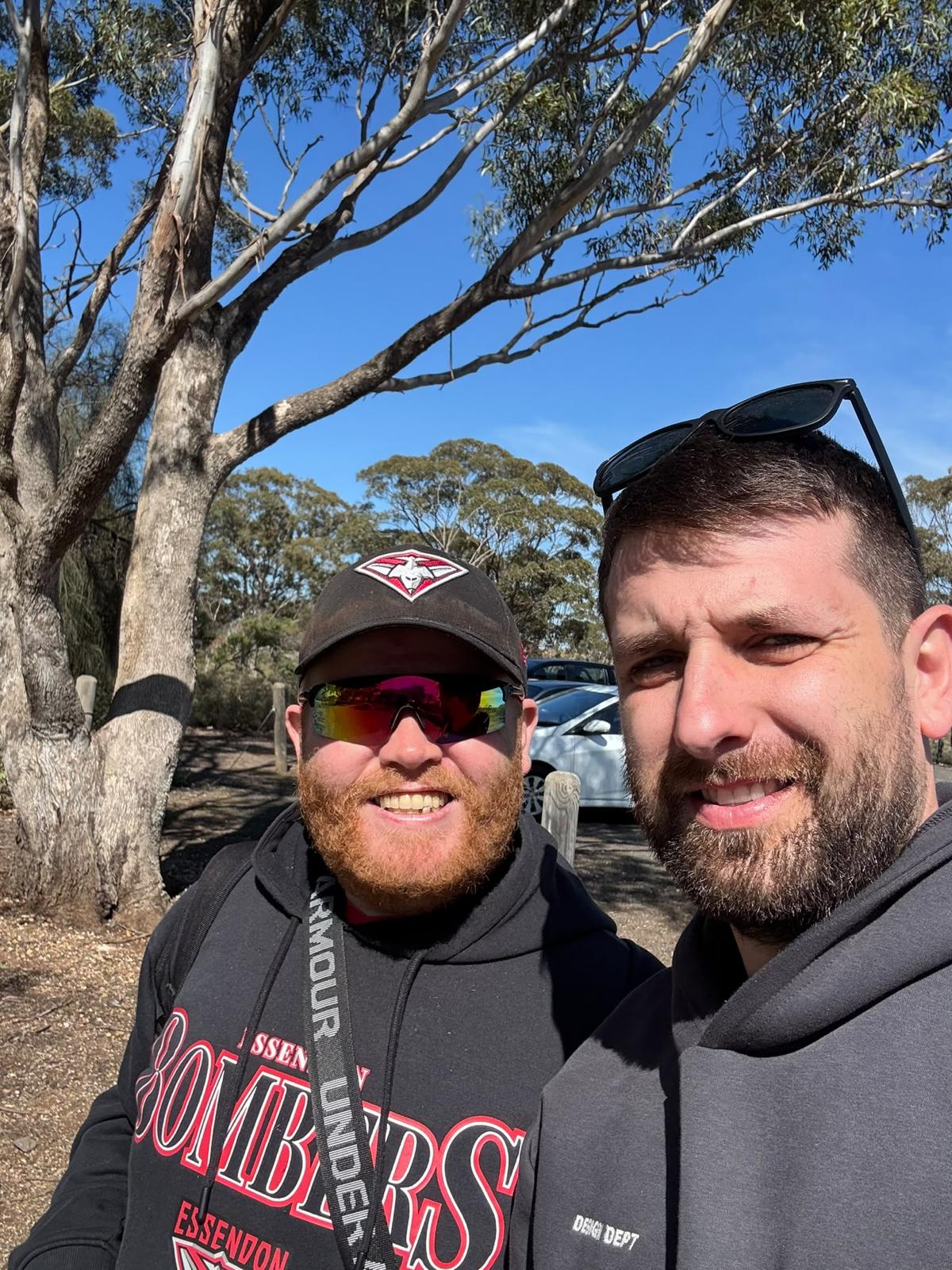
The most useful question is often the simplest one: who is going to be coming to my home? Ask how the provider matches support workers to people, whether you can meet someone before the first shift and what happens when your regular worker is sick or on leave.
When we match people with support workers, availability is only the starting point. We look at personality, shared interests and how close a support worker lives. A support worker who lives near you in Caroline Springs or Craigieburn already knows the local shops, the bus routes and what’s on at the community centre, and that makes a difference from the first week. There’s more on why it matters in our short video on matching support workers with participants, and you can meet some of our team in their own words on our About page.
One person we support described it like this: “Right from our first meeting they took the time to understand what I needed and matched me with support workers who make a real difference in everyday life.”
Ask how often rosters change, too. Another review said our service “stands out for their consistency in both care and staff. You’re dealing with the same people who actually know you, your situation, and your needs.” That kind of consistency is hard to see in a brochure, so ask about it directly.
Communication belongs in this conversation as well. Ask who your main contact will be, how quickly they usually reply and how families are kept in the loop. This comes up again and again as a key positive when families and participants liaise with our team here at YTSS. For families, it all comes down to trust. As Christine says in one of the family videos on our Reviews page, “I feel very safe that he’s in good hands.”
For more on what to look for in the support worker themselves, read our post on why working with a local NDIS provider makes a difference.
Get the money questions answered early
Providers charge against the NDIS Pricing Arrangements and Price Limits, which set the maximum price for many supports. Ask whether a provider charges within those limits, whether travel costs are added and how their cancellation policy works. These are fair questions, and a good provider will answer them without any awkwardness.
In most cases you don’t have to sign a written service agreement, but the NDIS recommends having one whenever you start with a new provider. (Specialist Disability Accommodation is the exception, where an agreement is required.) Before you sign, check that it covers:
- what supports you’ll receive, and when and where they happen
- prices, including any travel or material costs
- how you’ll pay, whether through the NDIA, your plan manager or yourself
- the cancellation policy
- how to raise a concern or make a complaint
- how long the agreement lasts and how to end it
At Yours Truly, we charge within the NDIS price limits and our cancellation policy follows the NDIS Pricing Arrangements. If anything in our agreement isn’t clear, we’d rather you ask than sign something you’re unsure about.
Ask what they don’t do
A good provider is clear about where their support stops. We don’t offer support coordination or plan management, so we tell people that in the first conversation and can point them toward someone who does. It saves everyone time, and it means you know exactly who to call for what.
Flexibility is the other half of this question. Ask how easy it is to change your hours, add a service or swap support workers if the match isn’t right. Life changes, and your support should be able to change with it without starting from scratch.
Signs to slow down
Most providers are doing their best, but a few signs are worth noticing. Be wary if you’re pushed to sign on the spot, or if a provider can’t tell you who your support worker will be or roughly what you’ll pay. The same goes for a provider that says it’s registered but doesn’t appear on the Commission’s search, or one that suggests services you didn’t ask about before it understands what you need.
Taking a day to think, and asking a second provider the same questions, is always reasonable.
If you’re thinking of switching
You can change providers at any time. Your service agreement will tell you how much notice your current provider needs, so check that first. The NDIS suggests lining up your new provider before you finish with the old one, so there’s no gap in your support, and letting your support coordinator or plan manager know if you have one. Check with your provider whether you or they will end them as a my provider in the my NDIS portal.
Every new enquiry that comes to us goes to Arian, our founder, who follows it up personally. If you’re moving across from another provider, tell us what hasn’t been working. It’s the most useful thing we can hear in that first conversation.
Questions to take to your first meeting
If it helps, here are the questions from this post in one place, ready to print or save on your phone:
- What are you registered for, and can I check that on the NDIS Commission’s search?
- How do you match support workers to people, and can I meet them first?
- What happens when my regular support worker is sick or on leave?
- Who is my main contact, and how quickly do you usually reply?
- Do you charge within the NDIS price limits, and are travel costs added?
- What is your cancellation policy?
- How do I change my hours, my services or my support worker?
- What don’t you offer, and who would you send me to for it?
The right provider will be happy to answer every one of these questions, and to answer them plainly. If a provider is vague about who will turn up or what you’ll be charged, that tells you something too.
Ready to Get Started?
Fill out our referral form for yourself or someone you support, and one of our Support Advisors will call to talk through what you need.
We’re based in Sunshine North and support people right across Melbourne’s western and northern suburbs, from Footscray and St Albans to Broadmeadows and Epping.
Yours Truly Support Services. Local. Consistent. Caring. Ready when you are. Call us on 1300 009 010.
The information and advice in this post were correct when we published it in October 2026. Things change, so for the latest, call us on 1300 009 010 or fill out our contact form.
More from the blog
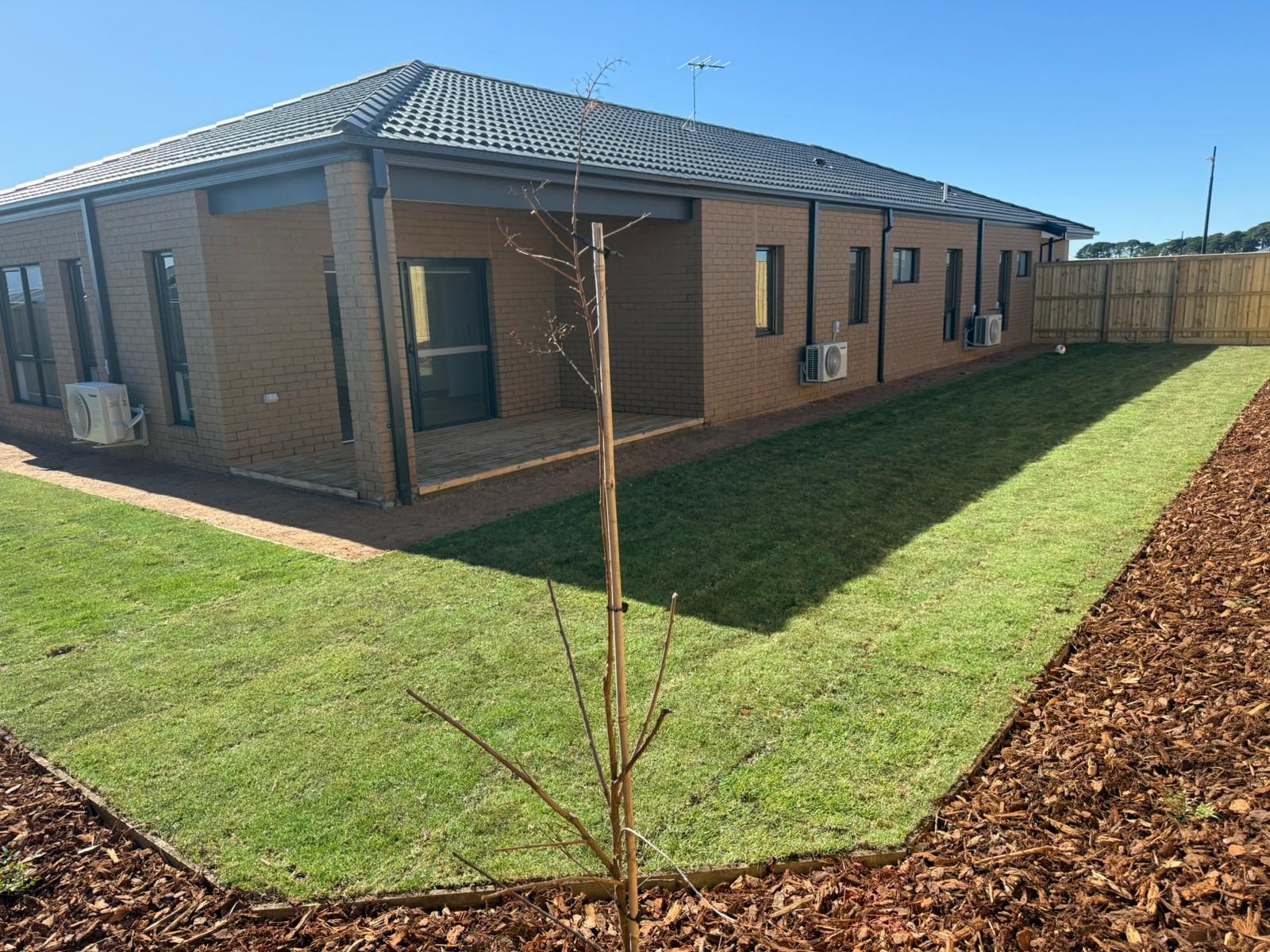
What is SIL and Is It Right for Your Family? A Guide for Melbourne’s Western Suburbs
SIL, SDA, group homes, aged care: the terminology around supported living gets confusing fast. Here’s what SIL actually means, how it differs from SDA, and what day-to-day life looks like with YTSS.
Read More about What is SIL and Is It Right for Your Family? A Guide for Melbourne’s Western Suburbs
Why Adaptive Boxing is One of the Most Powerful NDIS Supports You've Never Heard Of
Adaptive boxing builds more than fitness. Led by Joel “Cama KO” Camilleri and Auzzie Bodies, Yours Truly supports NDIS participants in Melbourne.
Read More about Why Adaptive Boxing is One of the Most Powerful NDIS Supports You've Never Heard Of
What the New NDIS Planning Framework Means for You (And What Stays the Same)
NDIS planning changes in mid-2026. Understand new assessments, flexible budgets and longer plans for participants in Melbourne’s west.
Read More about What the New NDIS Planning Framework Means for You (And What Stays the Same)
Let's Explore Your Options Together
We'd love to chat. Get in touch by phone, email or through our contact form. Our friendly Support Advisors can make a plan with you, based on your own goals and abilities.
Refer a participant